Built at the port, one warehouse at a time
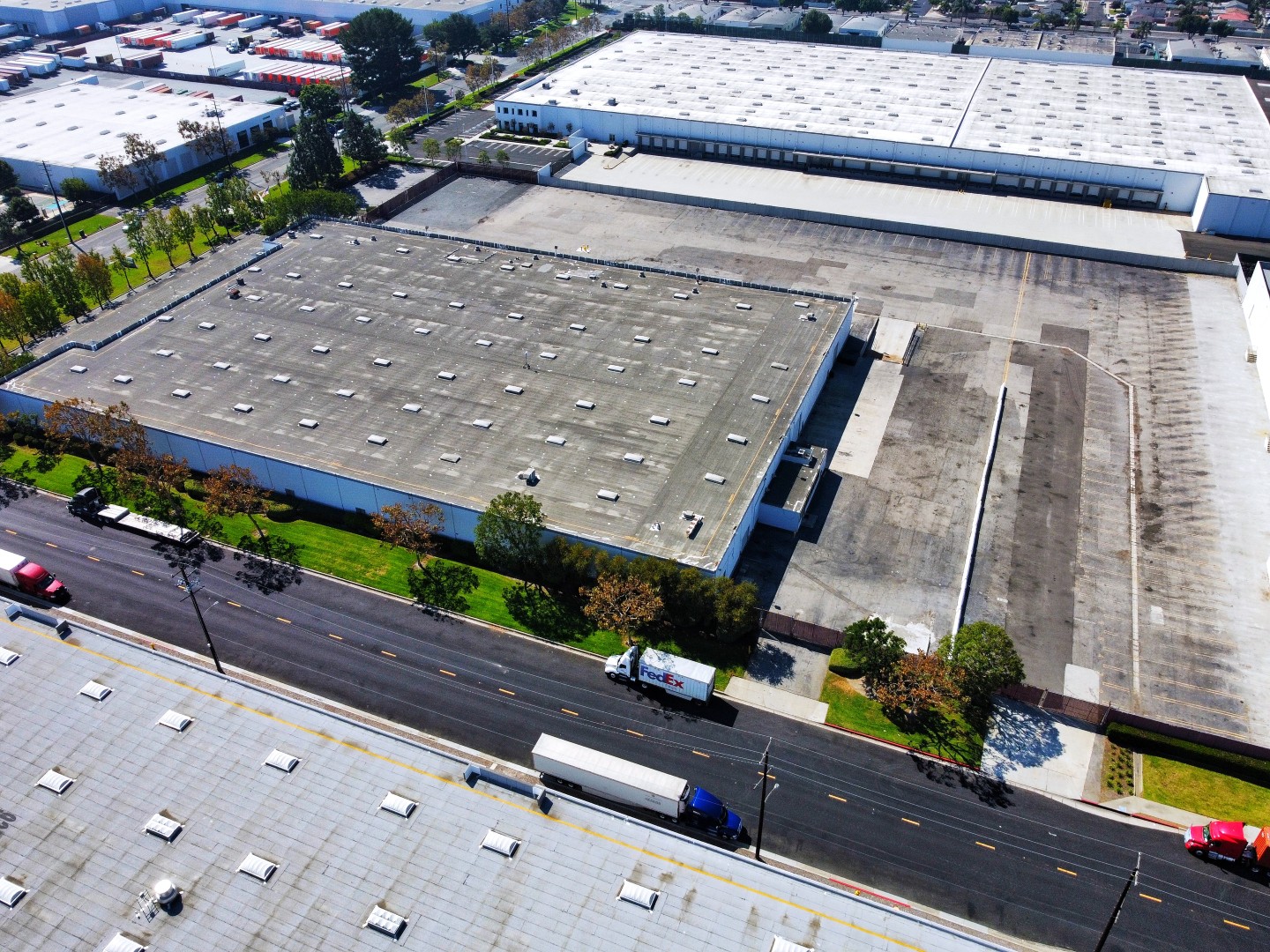
Peter Wu founded Kair Harbor Express in 2014 with one warehouse near the Port of Long Beach and a conviction that heavy cargo deserved a carrier that owned its own equipment. Twelve years later the group runs four warehouses, its own fleet and four operating companies — still asset-based, still run by the people who built it.
Our trucks, our docks, our people
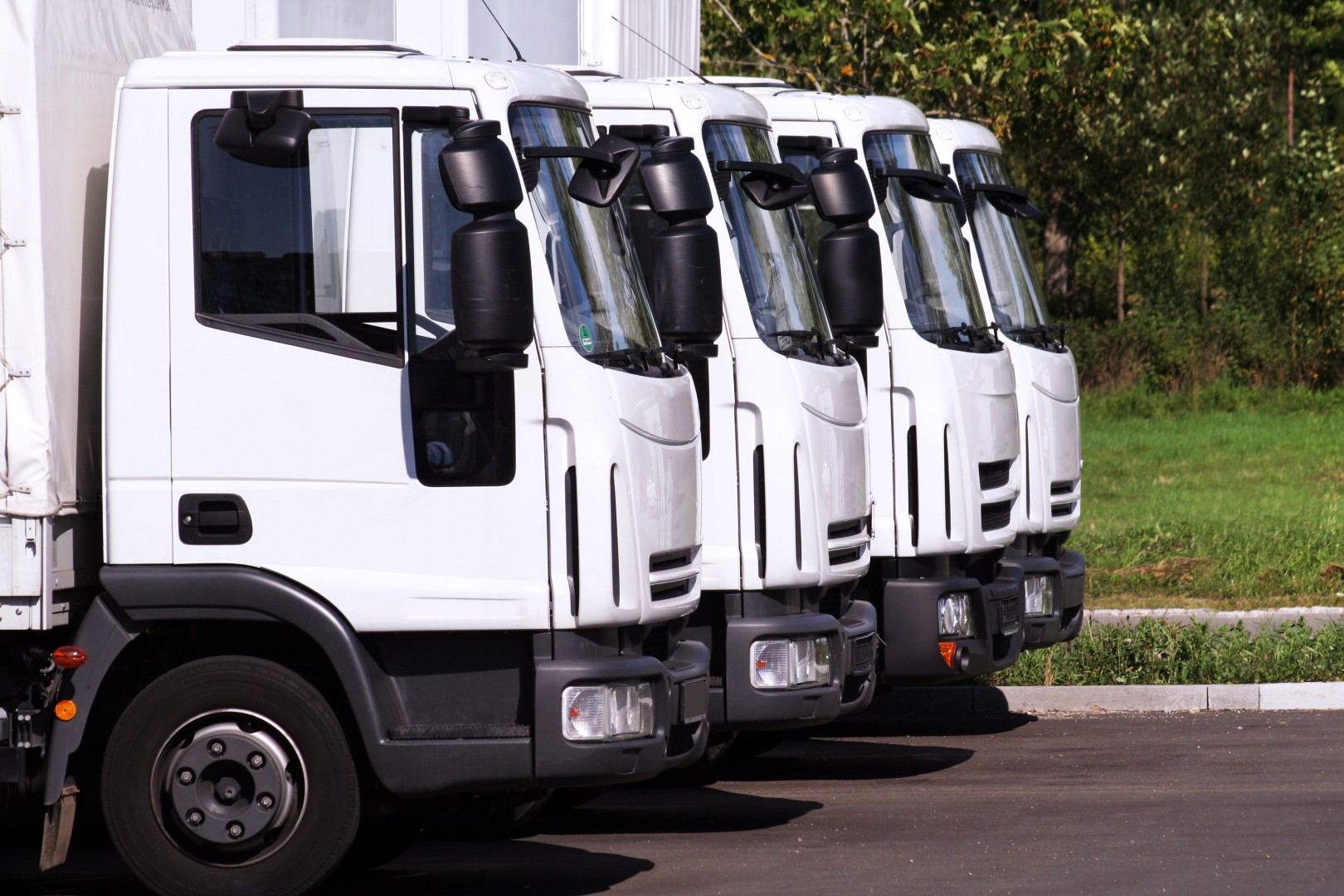
A brokered move is a chain of strangers. An asset-based move is one company's equipment and one company's payroll from the terminal gate to the receiver's dock. When something goes wrong at 2 a.m., there's no phone tree — the driver, the dispatcher and the warehouse crew all answer to the same operation.
That's why each service leg became its own company rather than a vendor list: warehousing under KHE Logistics, linehaul under Kair Harbor Transport, last-mile under Aurora Star, heavy haul under Pacific Harbor. Structure follows the freight.
From one warehouse
KHE started in 2014 with a single building on Pier B Street and grew leg by leg into the five-company group.
Founded in Long Beach
Peter Wu opens the first warehouse on Pier B Street and starts pulling containers with leased chassis and two drivers.
First company equipment
The leases end. KHE buys its first tractors and tri-axle chassis and commits to the asset-based model for good.
Second corridor warehouse
Carson opens on the Overweight Corridor, doubling capacity for sealed overweight boxes and anchoring the metal business.
KHE Logistics & KH Transport
Warehousing and trucking become separate operating companies, each with its own management and its own P&L.
Houston drayage
Gulf Coast importers ask for the same corridor discipline at the Port of Houston. KHE opens its third port operation.
Aurora Star & Pacific Harbor
Last-mile and heavy-haul demand outgrow the linehaul fleet. Two new companies take the fast freight and the oversize freight.
Four warehouses
Compton and Rancho Dominguez complete the network: 730,000 sq ft combined, all within fifteen miles of the terminals.
The standard on every dock and in every cab
CARES is how the group hires, trains and dispatches. It means drivers who know the terminals, crews who treat cargo as their own, and dispatchers who call you before you have to call them. It's a checklist, not a poster.